


Envirotecture has been designing sustainable homes for over 30 years, and we’ve seen the industry evolve its ethos regarding healthy homes
Passive solar, passivhaus and a more regenerative design ethos
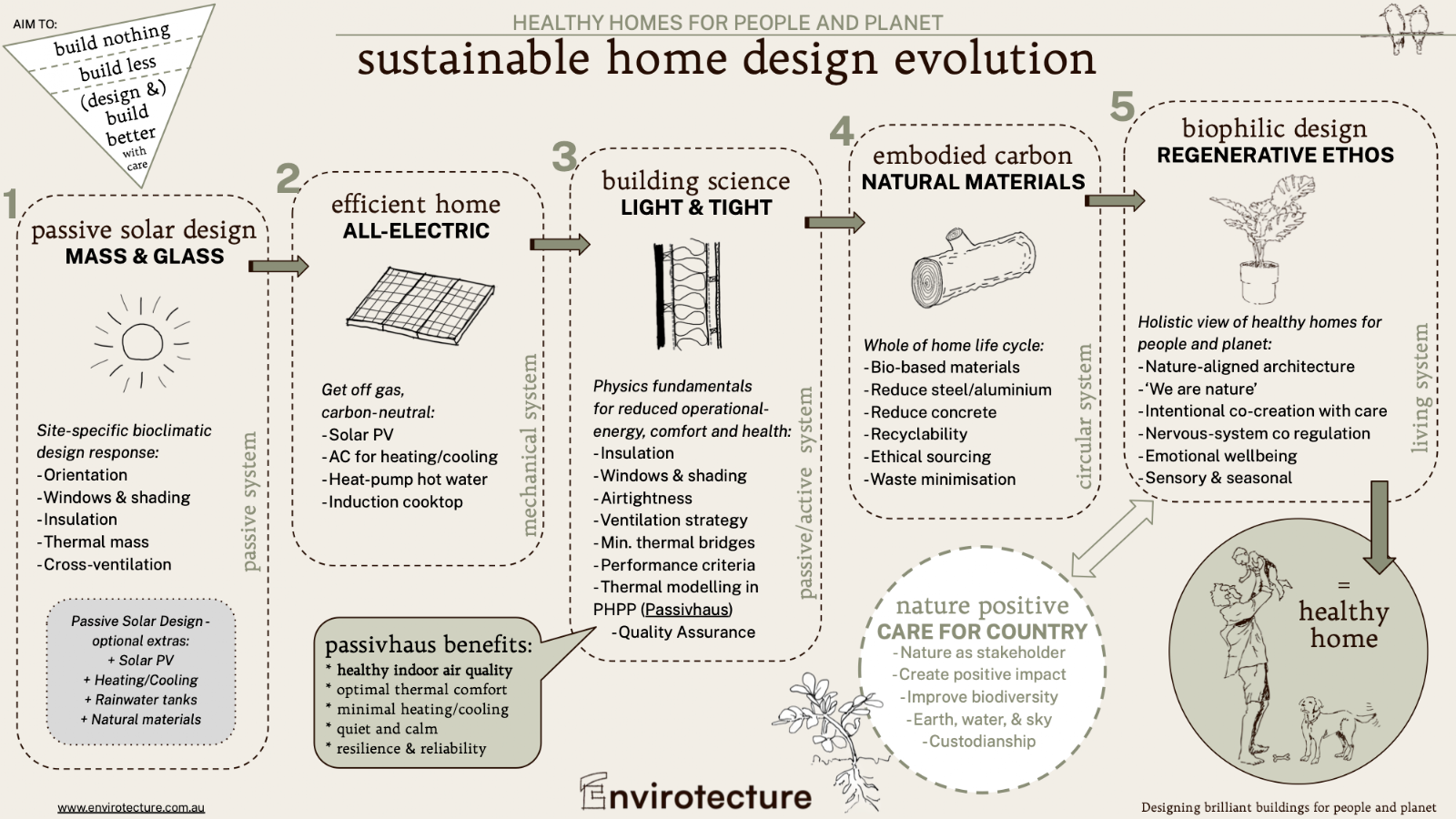
At Envirotecture, we’ve written about the evolution of sustainable design before for Sustainable House Day (and the difference/similarities between passive solar design and the passivhaus standard) but we’re increasingly discussing the benefits of biophilic design for homes that are healthy for people and planet from a more regenerative perspective. We realised that it might be helpful to put this into an infographic (without the use of AI) to explain the journey of where we started, where we are now, and where we’re headed.
From humble home beginnings
There’s no dates on the diagrams - but when Envirotecture was ‘born’ almost 30 years ago, passive solar design was on the fringes. Where I (Talina) grew up on the leafy north-eastern fringes of Melbourne, legends like Alistair Knox had been designing and building passive-solar mudbrick homes since before I was born. This approach didn’t feel ‘alternative’ to me, it felt smart. A bio-climatic site response (understanding the sun’s movements to allow winter warmth, capturing rainwater, harnessing cooling breezes in summer) while using textural earthy materials all helped inspire my career path towards sustainable architecture. The foundations of passive solar design are still sadly misunderstood by many industry professionals, but it's certainly encouraging that sustainable design is more commonly discussed.
Electrify everything
The next step in our diagram jumps to relatively recently in terms of the timeline. We’ve been on board with eliminating our reliance on gas for more than a decade now, and this is finally becoming more mainstream with increased awareness about how to have a more efficient electric home (with Solar PV). This approach is still more about the technical ‘bling’ to add on to our homes, and less about the building ‘envelope’ itself - and how it performs.
Building science fundamentals
It's no secret we’re big fans of building-science. The data doesn't lie! A fabric-first approach to ensuring the ‘thermal envelope’ of a building is well-sealed, well-insulated, appropriately shaded and appropriately ventilated ensures a more comfortable and energy-efficient home. However the biggest benefit we’ve learnt about embracing the Passivhaus standard, is the improved indoor air quality that’s a verified part of the package. Prior to this robust thermal modeling and design detailing, it was all guesswork. Now clients have quality assurance over the outcome of their investment.
Healthy building materials
With the Passivhaus standard being able to fairly accurately predict as-built performance when it comes to the operational energy use (for heating/cooling, hot water service, appliances, lighting, etc.), the standard does not dictate what a building must be constructed from. There’s a lot of flexibility from that perspective, but there’s also a lot of complexity when it comes to decisions around the choice of building materials (for the structure that you often don’t see, the external claddings visible from outside like roofing and wall-cladding, to the internal linings/fittings/fixtures/products used inside the home.) What is ‘fit-for-purpose’ will vary depending on the unique site, client brief, budget and values. Costs, ethically-sourcing, local, recycled or recyclable, low embodied-carbon, non-toxic, aesthetics and more…all play a part.
Envirotecture have shared examples of our work that can combine building-science and be constructed of natural materials like straw or hempcrete too.
Biophilic design
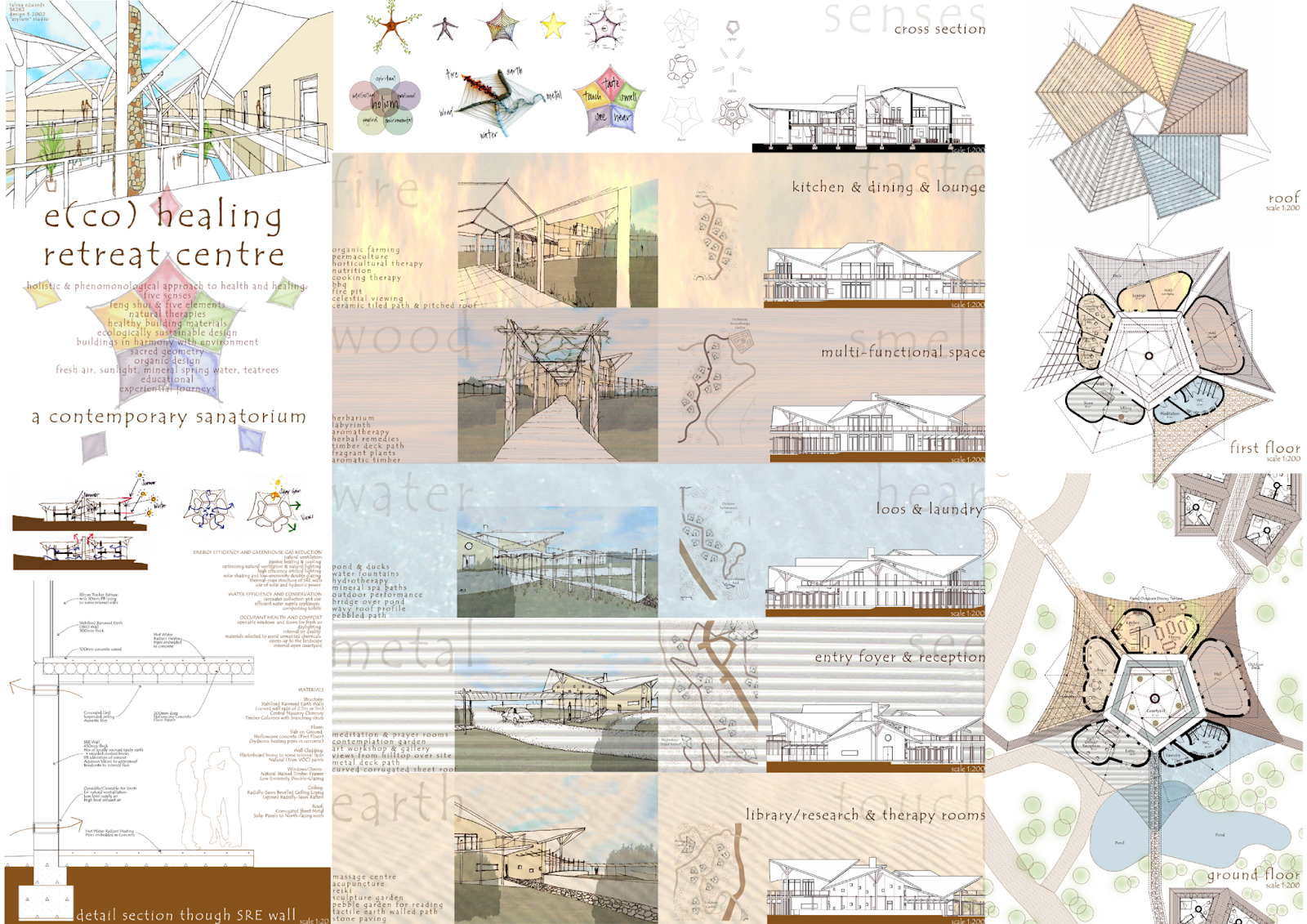
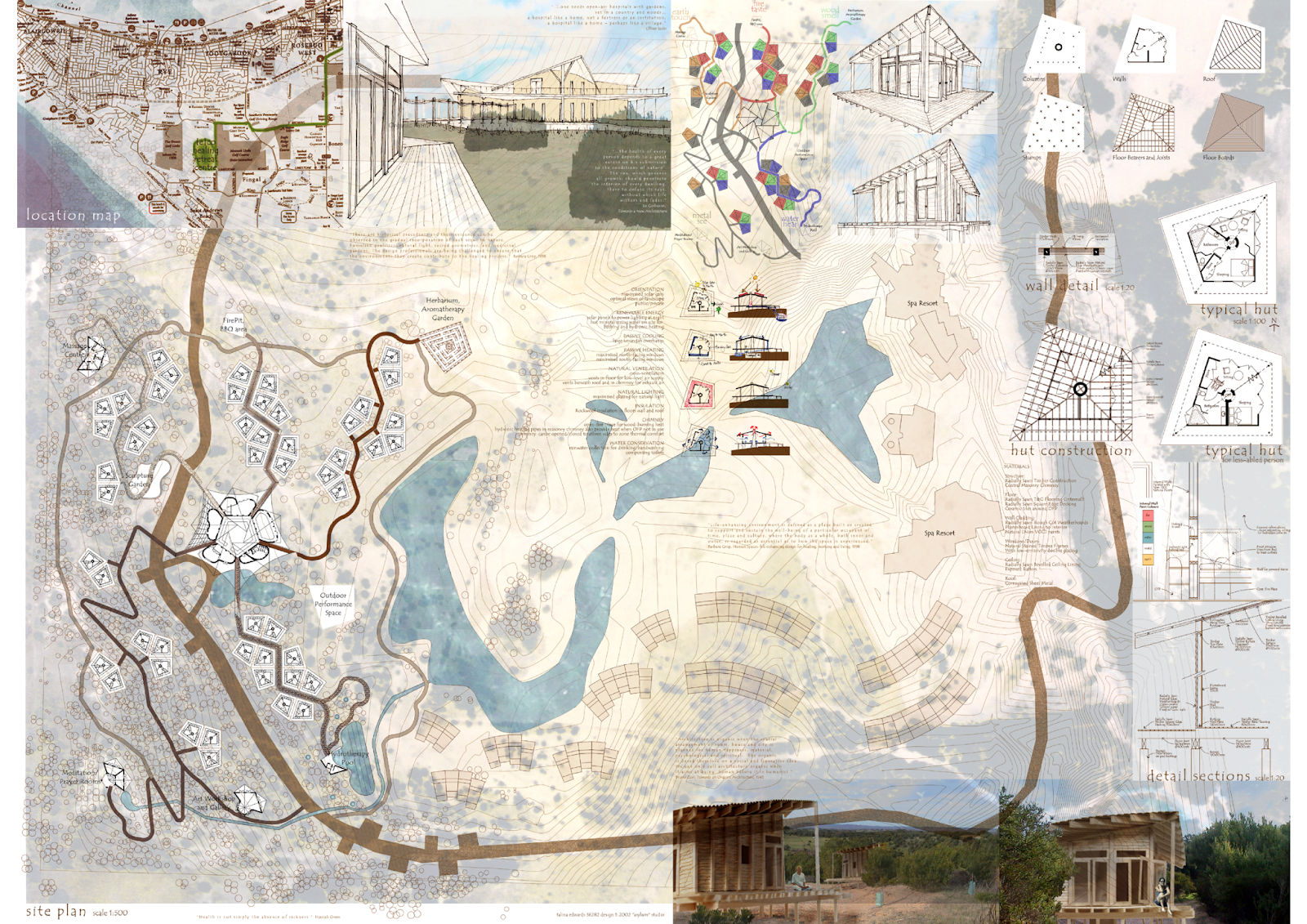
Biophilic design is not really the ‘last step’ when it comes to a healthy home, but this holistic approach is not yet widely understood; i.e. it's much more than just having a pot-plant! We’ve been deeply entrenched in this ethos for years (I even did my university design thesis 25 years ago about a nature-aligned “(e)co-healing retreat” that was all related to the senses, the seasons, wellness and connection to the land - before I knew about the term “biophilia”!). Our remembrance that ‘we are nature’ is pivotal to our health and wellbeing. Healthy humans, healthy homes and a healthy earth are all intrinsically linked - and right now you might agree that we’re all not exactly in optimal shape. The biophilic ethos helps show us the path forward, and feels fundamental to a regenerative design approach of aiming for positive impact.
Care for Country
In our modern age, we’ve become more disconnected than ever from the sacredness of nature’s abundance. Mother Earth deserves our loving kindness and compassion, just like we’d care for a loved one. We’re in a relationship with the land, water, and sky - but we sometimes forget this reality.
This deep understanding is intrinsic to our human experience in relationship with the earth - and not confined to conversations about buildings (hence why this theme sits ‘outside’ the flow chart of sustainable design). However it’s worth a reminder once again that we can’t have healthy homes (lives) without the reciprocal relationship of care for a healthy planet too.
Home is more than a house
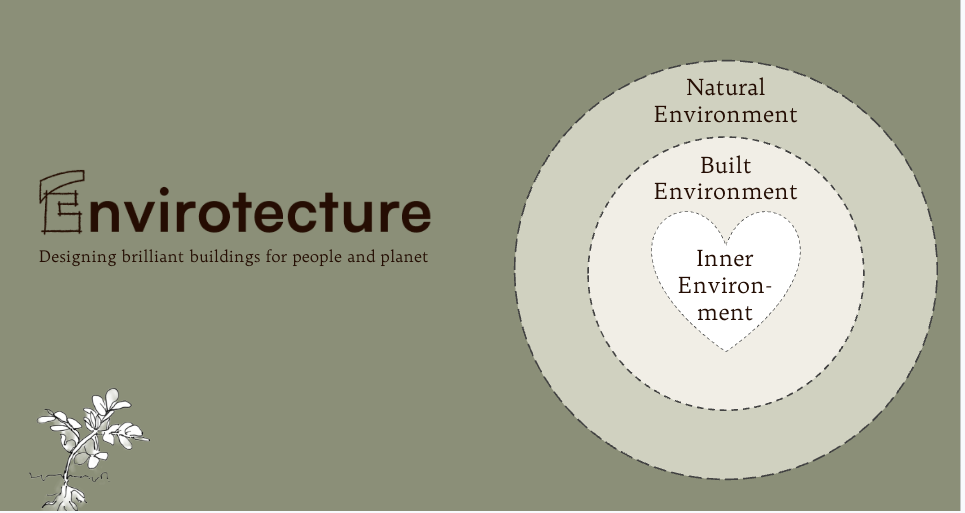
Envirotecture is not just the name of our practice, it is an ethos of our holistic design approach to designing environmental architecture, hence our tag line: “Designing brilliant buildings for people and planet.” We regularly talk about healthy homes and include this diagram to help explain the three nested concepts of home - as they are all places we dwell, and they all have a profound impact on the health of our body, mind and soul.
Our natural environment: our earth is our planetary home in the vast universe (there is no Planet ‘B’)
Our built environment: our buildings are our homes are much more than where we take shelter, they are where we live our lives in the modern world (home is where the heart is)
Our inner environment: our human bodies are home to our soul consciousness (my body is my temple)
Healthy home destination
I shared my infographic on LinkedIn to request feedback from industry colleagues if there would be anything they’d dispute, or amend. There was a query about the final destination of the healthy-home-bubble shown at the end of my flow-chart. I purposely did not choose to illustrate a ‘house’, as it was to be agnostic whether home was an apartment, a single detached dwelling, a multi-generational home, multi-residential, co-living, etc. The healthy-home-bubble held a sketch of an adult, a toddler and a dog - to represent the concept of a home for human and non-human families, regardless of form.
Build nothing, build less, (design and) build better
There was also some feedback around ‘modest size’ not being considered an afterthought in the design of homes. We couldn’t agree more, as we regularly share the sobering statistic that Australians are building the largest homes in the world (number of occupants per square meter of floor area), and if we are led by our values this usually leads to a focus on quantity over quality. My first draft of the infographic had ‘modest size’ as something recommended, but not technically part of what ‘passive solar design’ principles are. There’s a saying that ‘the greenest building is the one that already exists’ (due to all the resources/energy used to create it, that shouldn’t just go to waste with unnecessary demolition) so I decided to place this core idea right at the start as a reminder of this hierarchy.
This “sustainable home design evolution” infographic is downloadable as a PDF from our downloads page where you can also find other resources. As always, we welcome feedback, questions and robust discussion.

Talina Edwards
,
Company
Talina’s passion for architecture was ignited as a child and her love for biophilic design was nurtured by a childhood home built from earth bricks by her father and grandfather. Her approach to sustainable architecture is fuelled by two equally strong impulses—to work from a firm foundation in cutting edge building science and to create buildings that are a joy to experience with all the senses.
Discover our people (and what it's like to work here) and awards we've won.
Explore our expansive library of resources for people interested in sustainable, healthy homes.